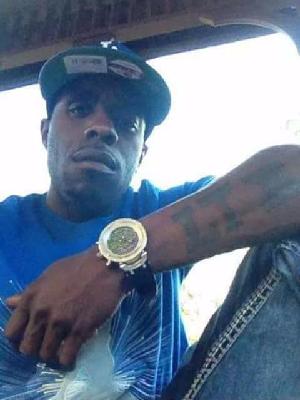
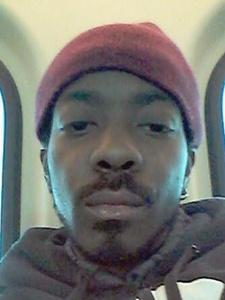
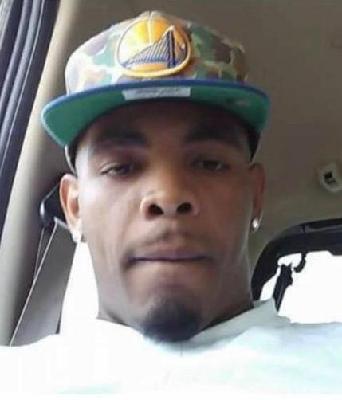
Terrance Laron Cooper, aged 28, was fatally shot on August 18, 2010, in Chicago, Illinois. His death occurred during a year when Chicago was grappling with significant violence, particularly affecting neighborhoods on the South and West sides. The homicide was one of numerous violent incidents that year, reflecting the ongoing issues of gun violence and community safety that have plagued parts of the city.
The circumstances surrounding Terrance's death highlight the broader problems faced by Chicago during this period. In 2010, the city was struggling with high levels of gang-related violence and other systemic challenges, including poverty and unemployment. These factors contributed to an environment where young men like Terrance were at an elevated risk of falling victim to crime. Despite increased police efforts and community interventions aimed at curbing violence, the number of homicides that year remained high, leaving families and neighborhoods devastated by the repeated loss of young lives.
Chicago's response to such homicides has involved a combination of policing initiatives and community-based programs designed to intervene before violence erupts. However, the murder of Terrance Laron Cooper, like many others, underscores the complexities involved in reducing violent crime, particularly in areas that have faced historical disinvestment and limited opportunities for youth. His death adds to the tragic toll of lives lost in a city that continues to seek effective ways to break the cycle of violence.