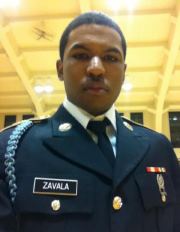
Matthew D. Zavala, a 20-year-old Black/African American male from Chicago and a Private First Class in the Illinois Army National Guard, had recently begun charting a path that blended college plans at Harold Washington College with weekend drills and the disciplined routine of the infantry. Friends and soldiers who trained with him described a motivated, bright young man with a future they expected to unfold overseas, not on the streets of his hometown.
In the early morning hours of Saturday, February 11, 2012, after stepping off a party bus on the 200 block of North Lorel Avenue in the Austin neighborhood, Zavala was shot in the head around 4:40 a.m. Witnesses recalled a final burst of gunfire, the sudden chaos, and the desperate cries of friends rushing to his side. The gunman climbed into a waiting vehicle that crashed a block away; fleeing on foot, he slipped into the darkness before police could arrive.
Detectives worked a scene strewn with grief and unanswered questions. Police said at the time that it was unclear whether Zavala knew his killer, and they had announced neither a motive nor any arrests. The case remained open with no one in custody, and officials publicly identified only that the attacker was an unidentified gunman who escaped after the nearby crash.
In the days that followed, candles and flowers marked the spot where he fell, while fellow soldiers and leaders at the armory remembered an “expert marksman” and “phenomenal soldier” who had only recently returned from training and had hoped to deploy. The remembrances sketched a portrait of a disciplined teammate and a devoted son and brother—grief refracted through uniforms and street-corner vigils—underscoring the suddenness with which a promising life was taken and the lingering absence of answers about who pulled the trigger and why.