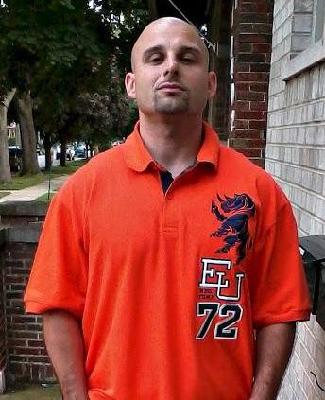
Ricky L. Hankins, aged 49, was fatally shot on July 16, 2012, in Chicago, Illinois. His death was part of a particularly violent year for the city, which saw an increase in homicides compared to the previous year. The total number of homicides in Chicago for 2012 was reported at 506, marking a significant rise from the 435 recorded in 2011. This uptick in violence was partially attributed to changes in law enforcement tactics, including the disbanding of specialized gang units that previously targeted crime "hot spots" throughout the city.
Hankins' death occurred in a year that also experienced a historically warm March, which experts suggested may have contributed to the spike in violence. Warmer weather often draws more people outside, which can lead to more opportunities for conflict. Despite various efforts by community leaders and police to combat rising crime, the challenges of addressing violence in neighborhoods across Chicago continued to grow throughout 2012, and the disbanding of effective strike units left some areas more vulnerable.
The broader landscape of crime in Chicago during 2012 was marked by complex socio-economic issues and the interplay between law enforcement practices and community relations. As law enforcement adapted its strategies, the community faced escalating violence, with residents like Hankins becoming part of a tragic list of victims that highlighted the ongoing struggle for safety in the city.