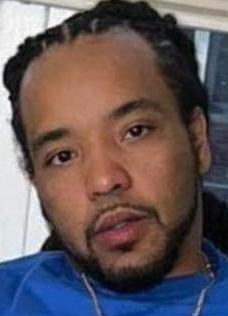
Fitz V. Bariffe, 68, was found shot to death in his home on October 28, 2012, in the Princeton Park neighborhood of Chicago's South Side. He was discovered in his kitchen after an intruder broke through the front door late that night. Bariffe’s murder became Chicago’s 435th homicide of the year, matching the total for all of 2011, with two months still left in the year. His death highlighted the continuing violence that plagued Chicago throughout 2012, which ended up being one of the deadliest years the city had experienced in recent memory.
Bariffe was a retired Chicago Transit Authority (CTA) bus driver who had moved into the once-vacant home in 2010, with hopes of renovating it. Despite ongoing issues with people loitering, drinking, and using drugs near his property, Bariffe took significant measures to secure his residence, including installing a metal fence and an alarm system. According to his family, Bariffe had been determined to make a safe space for himself, stating, “I’m not bothering anybody, nobody’s gonna bother me.” He was well-liked by neighbors, known for his friendly nature, and often helped with tasks like shoveling snow or mowing lawns for elderly neighbors.
Fitz Bariffe’s death was emblematic of the challenges facing Chicago at that time, as the city grappled with a surge in homicides. The year 2012 saw an increase in murders, partly attributed to gang activities and the breakdown of larger gangs into smaller factions, leading to more conflicts. Law enforcement faced difficulties in responding to the growing crime wave, with changes in policing tactics and resource limitations affecting the homicide clearance rates. Despite Mayor Rahm Emanuel's attempts to emphasize reduced overall crime rates, the escalating homicide numbers brought unwanted national attention to Chicago that year. Bariffe's case serves as a poignant example of the struggles faced by community members trying to live peacefully in an increasingly dangerous environment.
Bariffe’s family, including his wife and daughter, expressed deep concern over his safety, especially given the known issues in the area. Tragically, despite the precautions he took, his life was cut short by the violence that had become an all too common occurrence in some Chicago neighborhoods during this period. His passing marked yet another loss in a year that underscored the urgent need for effective crime reduction strategies and greater community safety measures.