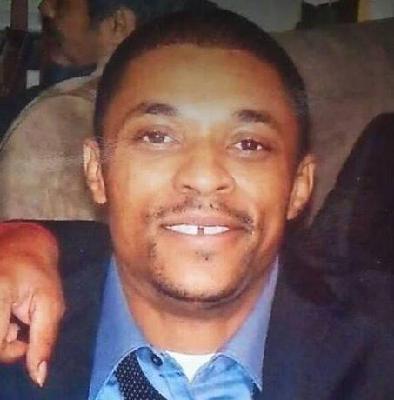
Eugene D. Clark, aged 25, was fatally shot on July 21, 2013, in Chicago, during a particularly violent weekend that saw multiple shootings across the city. Clark was killed in the West Englewood neighborhood, an area that had been grappling with high crime rates and frequent outbreaks of violence. He was one of several victims that weekend, during which at least six people were killed and 25 more were injured in a series of shootings.
The violence highlighted the challenges that Chicago faced in reducing gun-related incidents, particularly in neighborhoods with deep-rooted socioeconomic challenges.
The year 2013 was a particularly difficult one for Chicago regarding public safety, with a significant number of homicides attributed to both gang conflicts and random acts of violence. The neighborhood where Clark was killed, like many parts of Chicago, faced chronic issues with crime fueled by gang disputes and poverty. Clark’s death was part of a broader pattern of violence that underscored the need for effective community engagement and systemic change to address the underlying factors contributing to the high rate of homicides in these areas.
The broader context of Clark's death reflects ongoing challenges in the city, as local authorities and community groups struggled to address the rising tide of gun violence. Efforts to improve public safety included initiatives aimed at both community-level interventions and increased police presence, but progress remained slow, hindered by limited resources and a complex mix of contributing factors. This tragic incident serves as another reminder of the persistent violence plaguing parts of Chicago and the urgency of implementing effective solutions.