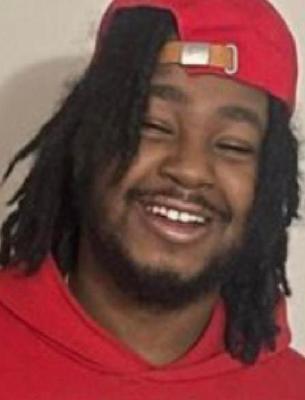
Marc A. Campbell, also known as "Lil Marc," was a 20-year-old aspiring drill rapper from Chicago who was tragically killed on March 28, 2014. The incident occurred in broad daylight while Marc was standing at a bus stop on the 300 block of East 51st Street in Chicago. He was targeted in a drive-by shooting and was pronounced dead on the scene after being shot in the head. Witnesses described seeing the assailant fire multiple shots from a handgun equipped with an extended clip. The vehicle involved, described as a silver minivan with Florida license plates, was later found abandoned and set on fire several hours after the shooting, approximately five miles away from the crime scene.
Marc Campbell was known for his involvement in Chicago's drill music scene and was affiliated with the gang known as "Young Money 051." Just two days before his death, he had released a diss track called "No Competition," which mocked rival gang members and other individuals who had lost their lives in street violence. This led many to speculate that his murder was retribution for the song. In the diss track, Marc made provocative statements that appeared to intensify ongoing gang tensions. The police, however, did not officially link his murder to the diss track, and no suspects were apprehended at the time.
Marc's death came just weeks before he was to become a father. He and his girlfriend, Jeanette, were expecting a baby boy whom they planned to name Makai. Jeanette, who held a baby shower shortly after Marc’s death, spoke about how excited Marc had been about becoming a father, and expressed her grief at the fact that her son would now grow up without his father. This tragic cycle of violence left yet another young family broken in Chicago, adding to the growing concern about fatherless households in communities affected by gang violence.
The motives behind Marc's murder remain speculative, as Chicago experienced high levels of violence related to its entrenched gang rivalries. Lil Marc’s death occurred during a period when many rappers affiliated with the drill scene were losing their lives, often because of their involvement in gang disputes. His murder has become emblematic of the dangerous overlap between music and street life in Chicago, reflecting the deep conflicts between the city's rival factions. Despite theories and public speculation, including the possible connection to an earlier shooting that same day, the police were not able to provide a definitive conclusion about who was responsible or why the murder took place.