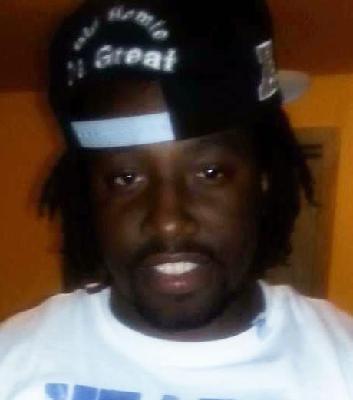
On August 16, 2015, John Lewis, aged 50, was fatally shot in Chicago during a year marked by increasing violence throughout the city. Chicago saw a significant surge in homicides in 2015, with the total number of murders rising from 416 in 2014 to 468 in 2015, representing a 12.5% increase. This period also saw an increase in the number of shootings, with approximately 2,900 incidents reported, a rise that further contributed to the escalating homicide count for that year.
John Lewis's death occurred amid a broader context of rising violence that year, characterized by numerous factors including gang-related conflicts and easy access to firearms. The spike in violence was also exacerbated by diminishing public trust in law enforcement, partly due to several high-profile incidents involving police officers. There was an ongoing debate regarding the effectiveness of police tactics, with changes in policing policies, such as the reduction of stop-and-frisk activities, cited as contributing factors to the increased violence. The correlation between a reduction in street stops and the spike in homicides was noted in multiple analyses, which suggested that the decline in proactive policing efforts might have inadvertently contributed to the rising number of violent incidents across the city.
The 2015 spike in homicides was particularly concerning given its uneven impact on Chicago’s neighborhoods, with predominantly African-American and Hispanic communities bearing the brunt of the violence. These communities were deeply affected not only by the loss of lives but also by the pervasive sense of insecurity that followed. In response, local officials and community leaders attempted various measures to curb the violence, but the city's efforts were hampered by resource limitations and strained relationships between residents and law enforcement.