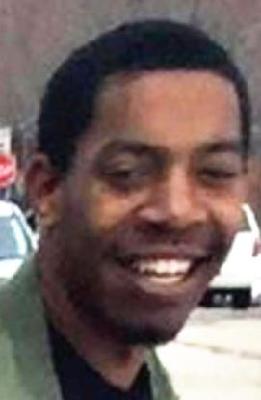
Orlando D. Calderon, an 18-year-old male, was shot and killed on September 1, 2015, in Chicago, Illinois. His death occurred amidst a significant level of violence in the city during that year, with the homicide count reflecting the ongoing crisis of gun violence in many neighborhoods. Chicago's 2015 homicide rate was marked by spikes in violence that particularly affected communities with historical tensions and high levels of socio-economic challenges.
This was a year when Chicago saw an increasing number of homicides, driven by gang activity, economic disparity, and other underlying social issues.
The death of Orlando Calderon was part of a broader context of gun-related violence, with much of the criminal activity occurring on the South and West Sides of Chicago. These areas had been experiencing high crime rates, and 2015 was noted for an especially high number of shootings during some weekends, adding to the grim tally of homicides throughout the year. Many of these incidents were concentrated in specific neighborhoods with racial and economic segregation, which has long been identified as a key factor in the patterns of violence within Chicago. Studies highlighted how homicides were more frequent in predominantly African-American neighborhoods, and violence was often exacerbated by the lack of economic opportunities and the presence of abandoned buildings, which attracted more criminal activity.
The murder of Orlando Calderon reflects the tragic human toll of the violence plaguing Chicago, a city where community members continue to grapple with the impact of gang conflicts and social inequalities. The efforts to curb the homicide rate, through both law enforcement initiatives and community-driven programs, faced numerous challenges in 2015. Despite some strategies aimed at de-escalation, the level of violence continued to remain high, demonstrating the deep-rooted nature of the issues contributing to these senseless losses of life. Calderon’s death is a poignant reminder of the struggles faced by the city's residents as they strive for safety and stability in neighborhoods heavily affected by crime.