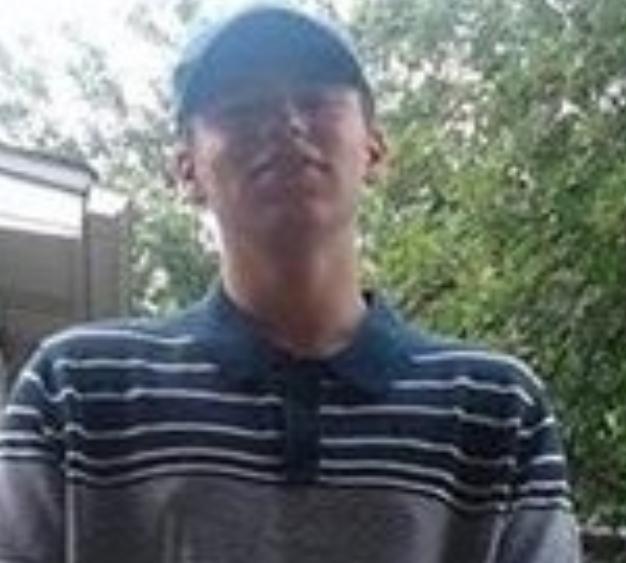
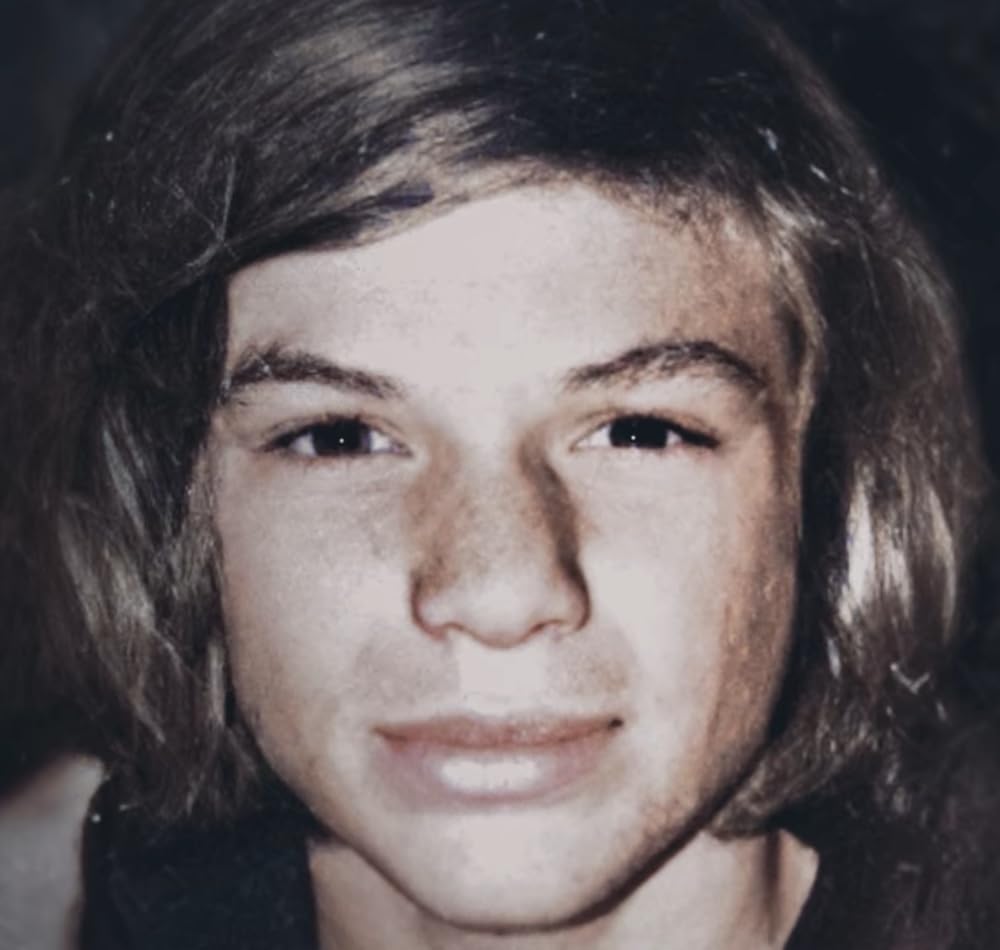
On November 3, 2015, Marlon Spivey was the victim of a homicide in Chicago, Illinois. The case was part of a year that saw an alarming increase in gun violence in the city. Chicago experienced a significant uptick in homicides in 2015, with many of the incidents involving firearms. The broader issue of escalating violence created an environment where such tragedies became all too common.
According to public safety data from the City of Chicago, Spivey's death was one of many that marked the city's struggle with rising crime rates in 2015. The data reveals that this was a year in which Chicago saw numerous violent crimes, driven in part by disputes between rival groups and a proliferation of illegal firearms on the streets. Many of these homicides, like Spivey’s, took place in neighborhoods where issues of poverty and gang activity were particularly pronounced. These communities bore the brunt of a surge in violence that strained both the local law enforcement and community resources.
The Chicago Sun-Times also maintains a detailed record of homicides that highlights the extent of the violence affecting the city that year. Spivey's death was one of over 500 homicides recorded, and this troubling pattern of violence continued to rise, affecting many families and individuals across the city. Spivey’s case underscores the individual toll of Chicago's struggle with gun violence—a problem that continues to pose significant challenges for the city and its residents.
Efforts by the police and community groups to combat this rise in violence were often hampered by a lack of resources and public trust. Marlon Spivey’s homicide serves as a stark reminder of the human cost behind the statistics that continue to trouble Chicago, even as the city makes efforts to address these issues.