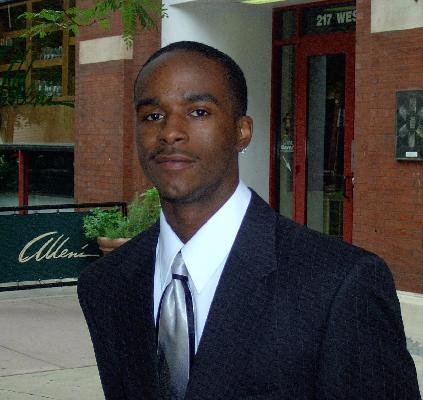
George B. Anderson, aged 17, was shot and killed on January 15, 2016, in Chicago. His death was part of a significant spike in violence that began at the start of 2016, leading to an overall increase in the city's homicide rate. In fact, homicides in Chicago increased by over 60 percent in January of that year compared to the previous year. This period marked the beginning of a sustained surge in violence, with gun-related homicides making up the vast majority of these tragic deaths. The city faced challenges trying to control the sudden increase in crime, especially involving firearms, which were responsible for 90 percent of homicides in Chicago in 2016.
The neighborhood where George was killed, like several others in Chicago, experienced elevated rates of violence. In 2016, Chicago saw a dramatic rise in gun-related incidents, including not only homicides but also non-fatal shootings and robberies involving firearms. The increase in gun violence was attributed to a combination of factors, including the availability of illegal guns and a rise in gang activity. Despite efforts by law enforcement to recover firearms and reduce gun-related crimes, the number of homicides continued to climb, making 2016 one of the most violent years Chicago had experienced in recent history.
George's death represents one of many tragedies during a particularly challenging year for Chicago. The spike in violence affected many neighborhoods and highlighted the ongoing issue of gun crime in the city, calling for comprehensive strategies to reduce violence and ensure the safety of young residents like George.