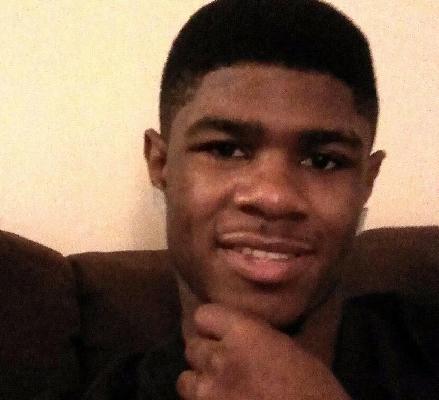
On February 20, 2016, Male Terrell D. Skyes, aged 20, was tragically killed in Chicago, Illinois. His death occurred during a period of surging violence across the city, which saw a significant uptick in homicides that year. The city recorded an unprecedented number of homicides in 2016, making it the deadliest year in two decades, with over 500 homicides occurring by the end of the summer alone. This increase in violence was particularly concentrated in certain neighborhoods plagued by gang activity and high unemployment, contributing to a general climate of insecurity and fear for residents.
Skyes was among many young individuals affected by the rising gun violence epidemic that had spread throughout Chicago. Most of the homicides during that time were gun-related, with an estimated 82 shootings per week during 2016. Despite Chicago's stringent gun laws, many of the firearms used in these incidents were traced to purchases made outside of Illinois, highlighting issues with the flow of illegal weapons into the city. This availability of guns, combined with gang conflicts and other socio-economic challenges, significantly fueled the escalation of violence.
The killing of Skyes took place against a broader backdrop of distrust between residents and the Chicago Police Department, which was under increased scrutiny for issues of institutional racism and controversial shootings involving officers. Many residents of neighborhoods like Englewood, where violence was particularly acute, spoke about the necessity of teaching their children survival tactics, such as how to react during gunfire, simply to navigate their daily lives. The homicides not only took a physical toll on the victims but left deep emotional scars on their families and communities, who were left to deal with the aftermath of the relentless violence.