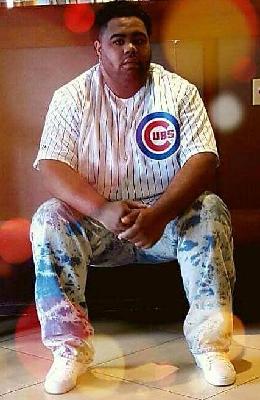
Eugene A. Singleton, aged 22, was shot and killed on June 20, 2016, in Chicago's Greater Grand Crossing neighborhood. He was found in a gangway in the 7300 block of South University Avenue at approximately 1:30 a.m. after police responded to a report of shots fired. Singleton had suffered multiple gunshot wounds, and despite efforts by emergency services, he was pronounced dead at the scene.
The incident occurred during a particularly violent period in Chicago, with the city grappling with a significant surge in homicides. Singleton's death was part of a broader spike in violence during 2016, a year that recorded over 760 homicides—marking the deadliest year for the city in almost two decades. The surge in shootings over Father's Day weekend around the time of Singleton's death highlighted the broader struggles that Chicago faced in reducing violence, with thirteen people killed and dozens more injured in shootings across the city that weekend alone.
The broader context of Singleton's death underscores the persistent challenge that Chicago faced in 2016, particularly with gun violence affecting many of the city's neighborhoods. Community members and law enforcement were dealing with increased tensions, gang-related conflicts, and the pervasive availability of firearms. These factors created a highly volatile environment, especially in neighborhoods like Greater Grand Crossing, where socioeconomic disparities and lack of opportunities have often contributed to the cycle of violence. The death of Eugene Singleton serves as a tragic reminder of the ongoing need for comprehensive efforts to address both violence and the underlying issues that fuel it.