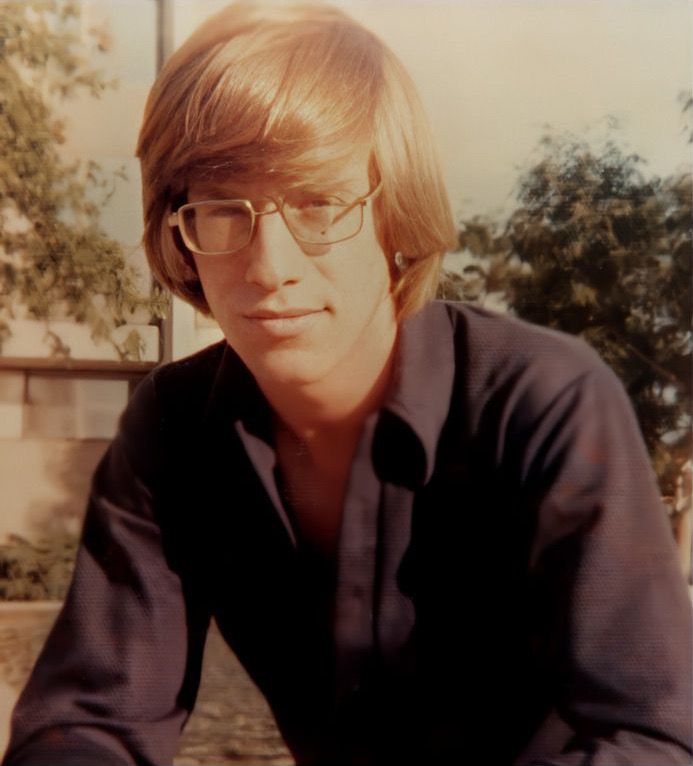
Dontae D. Roberts, aged 30, was one of the many individuals who tragically lost their lives during the surge of violence that engulfed Chicago in August 2016. On August 10th, Roberts was killed amidst a wave of shootings that contributed to making that summer one of the deadliest periods the city had seen in two decades. His death occurred in the context of widespread violence across Chicago, as August alone saw numerous homicides and over 400 shooting victims. This month marked a significant escalation in violence that had been on the rise since 2014, when Chicago's homicide rate began climbing after years of relative stability.
Roberts’ death was emblematic of a broader crisis. Chicago's homicide rate in 2016 surpassed 500 before the end of summer, making it the highest in the city since the early 2000s. This period highlighted not only the tragedy of rising gun violence but also the persistent socio-economic struggles faced by many residents. The incidents were part of what locals described as a "war zone," where shootings were a daily occurrence, leaving families and communities deeply scarred. The frequency of gun-related violence was staggering, with nearly 82 shootings occurring each week, most of which involved weapons purchased outside of Illinois due to the state's relatively strict gun control laws.
The death of Roberts, along with many others during that time, underscored the challenges faced by residents in neighborhoods disproportionately affected by poverty, lack of economic opportunities, and mistrust of law enforcement. The Chicago Police Department had been under scrutiny for its handling of high-profile officer-involved shootings, contributing to tensions in affected communities. Meanwhile, local families, like those in the Englewood neighborhood, found themselves preparing children for how to react to gunfire, underscoring the profound impact of the violence on everyday life. In this volatile environment, Dontae D. Roberts became one of many victims who represented the human toll of Chicago's escalating struggle with violence and systemic issues during that year.