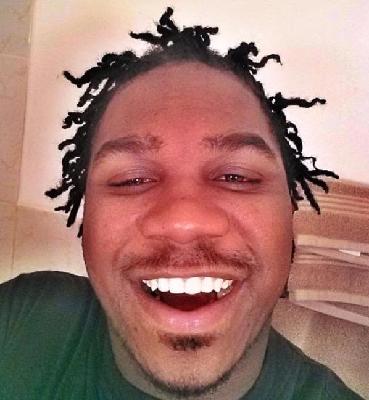
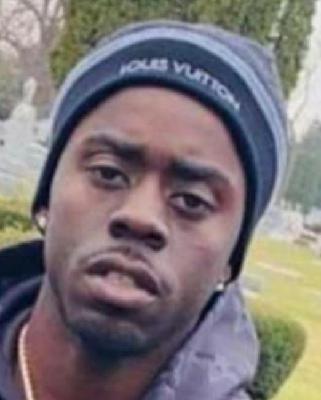
Marquis Williams, age 17, was shot and killed on September 6, 2016, in Chicago, Illinois. His death took place during one of the most violent years the city had seen in two decades, as Chicago experienced a spike in homicides in 2016. By early September, the city had already reached its 500th homicide of the year. This tragic milestone highlighted the severity of the violence sweeping through many neighborhoods, particularly those plagued by gang activity, poverty, and limited access to essential resources.
Williams was one of the many victims lost to gun violence, which that year reached alarming levels. Chicago's homicide rate was particularly high compared to other major U.S. cities, and much of this violence was attributed to the widespread availability of guns, many of which were traced to purchases from outside Illinois. Despite the state's strict gun laws, the flow of illegal firearms into Chicago remained a significant challenge. Community members like Stephanie Armas from Englewood voiced the daily struggle faced by residents, noting how parents had to teach their children to "duck and dodge bullets" as a matter of survival.
The violence in 2016 wasn't only about numbers but about the countless lives affected. Families, friends, and entire communities were left to cope with the impact of losing young people like Marquis Williams. This environment of pervasive violence was partly fueled by economic challenges, despite a small drop in the city's unemployment rate that year. For residents in neighborhoods like North Lawndale and Englewood, the trauma of these losses and the fear of ongoing violence were daily realities, leading to calls for more effective intervention, support, and systemic change to address the root causes of violence in Chicago.