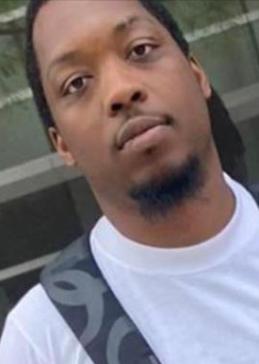
Maurice Hilliard, aged 25, was shot and killed on October 10, 2016, in Chicago. His death occurred during a year when Chicago experienced a significant spike in homicides, marking 2016 as one of the city's most violent years in decades. Throughout 2016, Chicago saw 764 homicides—a major increase that reflected a sudden and sustained surge in violence across many neighborhoods.
The escalation in homicides started in early 2016, with the number of murders rising sharply compared to the previous year.
A significant factor behind the increase in homicides, including the tragic death of Maurice Hilliard, was the prevalence of gun violence. About 90% of the homicides in Chicago in 2016 involved firearms, which marked a higher rate compared to other major cities like New York or Los Angeles. The availability of illegal guns, along with a rise in gun robberies and non-fatal shootings, suggested that the violence was driven by both gang conflicts and financially motivated crimes. This surge in gun-related violence contributed to the struggles of law enforcement and the community to prevent incidents like Hilliard's death.
Hilliard’s homicide, like many others during that year, was part of a broader pattern that highlighted the challenges facing Chicago’s neighborhoods, particularly those already struggling with socio-economic disadvantages. Efforts to curb gun violence included increased firearm recoveries by the Chicago Police Department, which seized guns at a rate nearly twice that of Los Angeles. Despite these efforts, the rise in violence had a profound impact on the city's sense of safety, especially in vulnerable communities where the risk of violence continued to be disproportionately high.