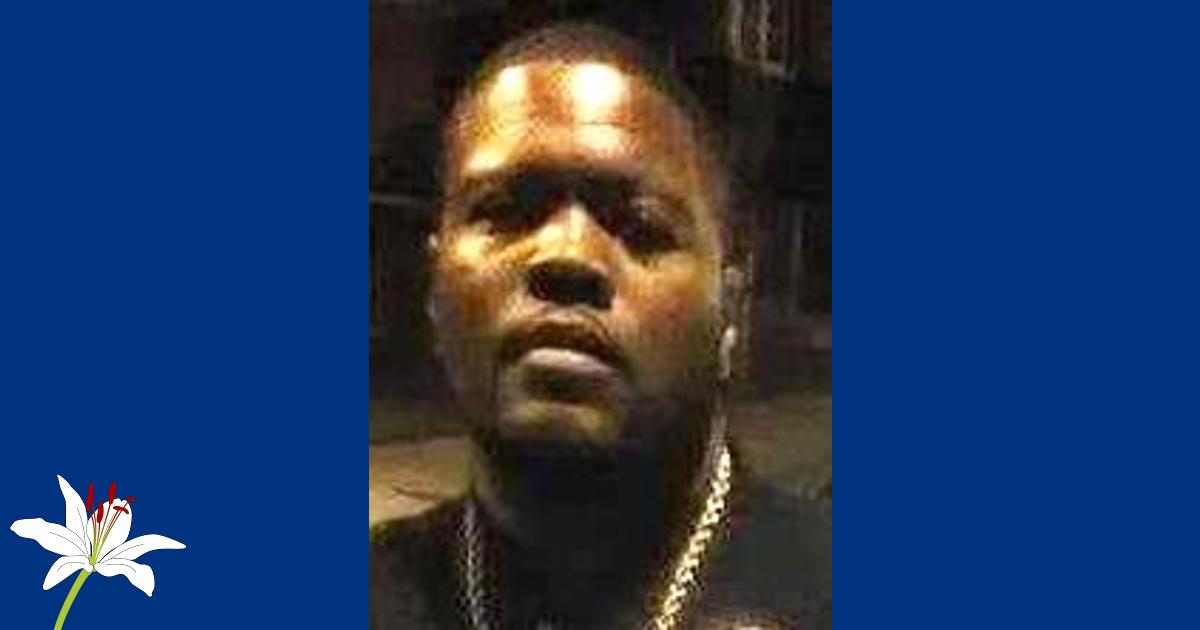
Lydell D. Wilson, a 32-year-old resident of Chicago, was a victim of homicide on October 19, 2017. His death is part of a broader picture of violence that characterized Chicago that year, as the city struggled with a high rate of shootings and homicides. In 2017, Chicago experienced 624 gunshot-related deaths, making up 92.4% of all homicides. The remaining homicides involved other causes such as stabbings, blunt trauma, or other forms of violence.
Wilson's death was among the many that highlighted the persistence of gun violence across the city's neighborhoods, particularly affecting marginalized communities.
The high number of homicides in Chicago in 2017 reflected the ongoing challenges of crime and law enforcement in the city. It was reported that a significant number of homicides had no suspect charged; out of over 600 killings, suspects were charged in fewer than 80 cases. This contributed to a low clearance rate for homicides, demonstrating the difficulties faced by law enforcement in solving these cases and providing justice for victims like Wilson. The data reveals that most victims in 2017 were male, and many were from Black or Hispanic communities, reflecting a disproportionate impact of violent crime on these groups.
Wilson's death also took place in a context where Chicago had recorded nearly 3,000 shootings that year, with over 2,600 men and more than 300 women being wounded. The grim statistics for 2017 continued a trend that had affected the city for several years, exacerbating fears among residents and putting increased pressure on local authorities and community leaders to take more effective measures to curb gun violence. The number of victims highlighted the widespread availability of firearms and the intensity of conflict within some parts of the city, which further aggravated public safety concerns.