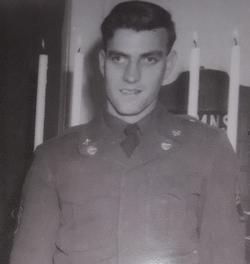
In the spring of 1973, amid the tense occupation of Wounded Knee on the Pine Ridge Indian Reservation, Lawrence Lamont, a 31-year-old Oglala Lakota man and a veteran of the Vietnam War, found himself in the midst of a historic struggle for Indigenous rights. The occupation, led by members of the American Indian Movement and Oglala residents, was a 71-day standoff with federal forces, a protest against the failure to honor treaties and against a corrupt tribal government.
It was within this cauldron of resistance and conflict that Lamont's life would be tragically cut short.
On April 27, 1973, the air at Wounded Knee was thick with the acrid smell of gunfire. Exchanges between the AIM occupiers and the surrounding federal marshals and FBI agents were a near-constant reality of the siege. During one of the most intense firefights of the occupation, a sniper's bullet found its mark, piercing Lamont's heart. His death was a devastating blow to the occupiers, a stark reminder of the deadly seriousness of their stand. The loss of the young veteran, who had returned from one war only to die in another on his own ancestral land, was a turning point in the long siege, prompting many to seek an end to the violent confrontation.
Following Lamont's death, there is no publicly available information that details a specific investigation into his killing, nor are there any records of arrests or named suspects in connection with his shooting. The broader context of the Wounded Knee occupation was one of intense hostility and a breakdown of normal legal processes. The deaths of AIM members and their supporters during this period were often not officially investigated. While it is known that Lamont was killed by a bullet fired by a federal agent, the identity of the individual who fired the fatal shot has never been publicly disclosed. The circumstances of his death are enmeshed in the larger narrative of the Wounded Knee siege, a confrontation between Indigenous activists and the U.S. government that left scars that have yet to fully heal. Lamont was buried in Wounded Knee, his final resting place a testament to his commitment to the fight for his people's rights.