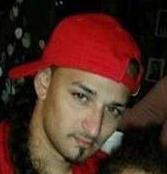
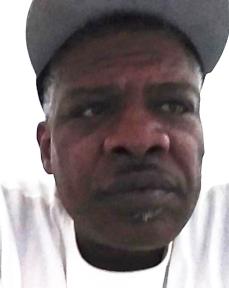
Antonio Ewing, a 30-year-old Black/African-American man, was fatally shot in Milwaukee, Wisconsin, on the night of August 27, 2016. The shooting occurred shortly before 10:00 p.m. in the area of Wright Street. Initial news coverage placed the scene at the intersection of Palmer Street and Wright Street, while later reporting involving Ewing's family described the location as near Richards Street and Wright Street, a short distance away.
Milwaukee police and fire personnel responded and attempted life-saving measures, but Ewing could not be revived and died at the scene. Police immediately opened a homicide investigation, but officials released few details about what had led to the gunfire.
The killing came during an exceptionally violent period in Milwaukee. Ewing was among 24 people killed in the city during August 2016, which was reported at the time as Milwaukee's deadliest month in approximately 25 years. The Milwaukee Homicide Review Commission subsequently included Ewing among the victims remembered in its report documenting the city's 2016 homicides.
In the months after the shooting, Ewing's family described the devastation caused by his death and the unanswered questions surrounding it. His brother, professional boxer Akeem Black, said the family did not know the real reason Ewing had been killed and characterized the circumstances as senseless and pointless. Black recalled learning what had happened and arriving to find his mother and other relatives crying at the scene. Their mother, Karen Ewing, said the homicide was particularly difficult because the family had never previously experienced a killing within their immediate family. Black remembered his brother as someone who had not caused problems for others, making the lack of an apparent motive especially painful for those left behind.
By December 2016, nearly four months after the shooting, investigators still had not identified or apprehended Ewing's killer. Reporting at that time specifically noted that the person responsible had not been found. No publicly reported motive had emerged, and there was no indication that police had identified a named suspect. The limited information made public about the original investigation did not describe an argument, robbery, gang dispute, or other event as having precipitated the shooting, leaving the circumstances surrounding the attack unresolved.
Available online cold-case information continues to list Ewing's death as a murder associated with the Milwaukee Police Department. A review of publicly accessible reporting and case information does not reveal an arrest for his killing, a criminal complaint naming a suspect, homicide charges, a trial, or a conviction connected to the August 27 shooting. Consequently, there is no publicly identified defendant whose prosecution can be traced through the courts in connection with Ewing's death.
Years after the gunfire on Wright Street, the central questions remain the same: who shot Antonio Ewing and why. Contemporary reports recorded the immediate police investigation, while later coverage captured a family still grieving and searching for an explanation. With no publicly announced suspect, arrest, charge, trial, or conviction located in available records, his homicide remains publicly unresolved.