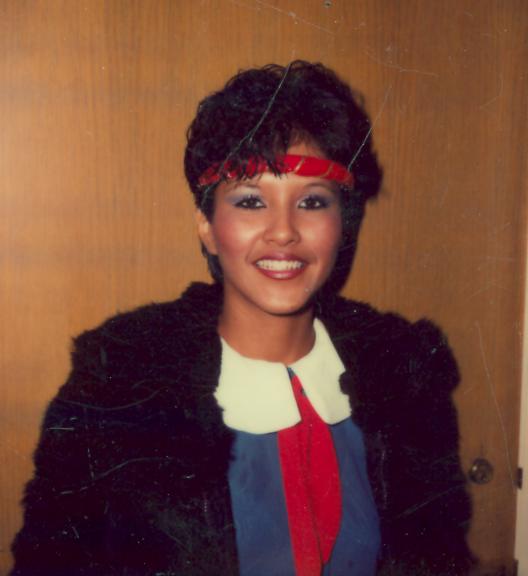
A woman's remains are found in a marshy area 8 months after she was last seen
In the winter of 2000, the quiet community of Monroe, Washington, was shaken by the grim discovery of human remains in a marshy area off Woods Lake Road. These remains were later identified through dental records as those of Cynthia Rearden, a 31-year-old Caucasian / White female who had vanished eight months prior. A single mother to an 8-year-old son, Cynthia was on the cusp of a new chapter in her life, with plans to marry in the summer of 1999. She was last seen on the evening of June 20, 1999, leaving the Hayloft Saloon in downtown Monroe, less than a mile from her home.
The night Cynthia disappeared, she had been at the saloon, and witness accounts of her departure were conflicting. Some recalled her leaving alone, while others believed she left with her fiancé or a group of men. Her car was broken down, suggesting she either walked home or accepted a ride from someone. The alarm was raised the following day when her fiancé contacted her mother to report that Cynthia had not picked up her son from the babysitter, an act her family knew was entirely out of character. Her disappearance immediately sparked a missing person investigation that would yield over 160 leads but ultimately no answers for months.
The discovery of her skeletal remains on February 10, 2000, transformed the missing person case into a homicide investigation. Investigators found evidence at the scene suggesting she had been killed at a different location and her body later moved to the marshland. Scraps of clothing found near her remains matched the black spandex dress, black stockings, and leather jacket she was wearing the night she was last seen. The cause of her death was ruled a homicide, but the case grew cold over the years.
In the years that followed, law enforcement continued to seek new leads. Her case was featured on "Washington's Most Wanted" and included in a deck of cold-case playing cards distributed in jails and prisons in an effort to solicit information from inmates. A significant piece of evidence that was publicly released in 2009 was a photograph of a multi-colored sweater sleeve with a blue cuff found near her remains, which did not belong to Cynthia. Investigators hoped someone would recognize the garment and provide a crucial link to her killer. While a man named Scott Allen Fischer, arrested for the murder of another woman, Tina Wallace, was investigated in connection with Cynthia's death, no arrests have ever been made in her case. Despite the passage of time, Cynthia Rearden's murder remains an active cold case, a source of enduring pain for her son and family who still await justice.