A badly decomposed body is found near an old rock crushing plant On a late summer afternoon, a 35-year-old Caucasian male named Richard Leetham walked out of his West Jordan, Utah, home with the intention of heading to Salt Lake Community College. It was August 17, 1994, and he told his girlfriend he needed to type a report for a class, a hopeful step in his effort to turn his life around after some struggles. He got into his white Ford truck and drove off, promising to return by 5 p.m. That was the last time she ever saw him.
When he didn't return, concern grew, and a missing persons report was filed ten days later.
The autumn leaves had begun to turn when, on October 11, 1994, a person discovered a body near an abandoned cement plant at the mouth of Little Cottonwood Canyon. The remains were identified as Richard Leetham. An examination revealed he had been shot in the chest. The investigation into his death began, and detectives soon tracked his missing pickup truck to Tijuana, Mexico, in November of that same year. It was a significant lead, but the case would soon grow cold, leaving Leetham's family with unanswered questions for many years.
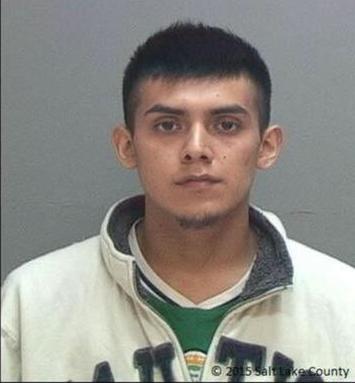
Years turned into more than a decade before a break in the case finally emerged. In 2008, a detective with the Unified Police Department reopened the dormant file. The investigation led them to Jose Leyva-Padilla. Witnesses came forward with crucial information. One inmate, who had been jailed with Leyva-Padilla in late 1994, testified that he had bragged to fellow prisoners about the killing. He claimed he had taken a man he met downtown at gunpoint "up somewhere and smoked him," alleging the motive was a drug deal that had gone wrong. Leyva-Padilla's girlfriend from 1994 also confirmed that he had shown up at her house with Leetham's truck on the very day the man disappeared.
In 2010, sixteen years after Richard Leetham's death, Jose Leyva-Padilla was charged with murder, aggravated robbery, and aggravated kidnapping. Following his arrest, the legal proceedings moved forward. In February 2014, Leyva-Padilla reached a plea agreement and pleaded guilty to a lesser charge of manslaughter. Two months later, he was sentenced to a term of two to fifteen years in the Utah State Prison, finally bringing a measure of closure to a case that had remained unsolved for nearly two decades.