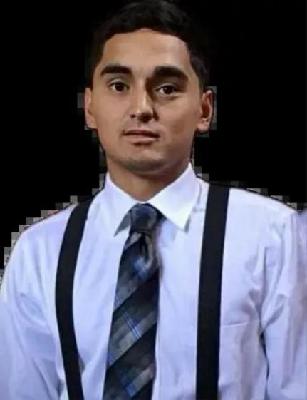
On February 20, 2015, 21-year-old Steven Cerna was found shot to death in a drainage ditch known as “Hell’s Gate” in San Antonio, Texas. Cerna had been lured to the area under the pretense of making money, reportedly for drugs, before being killed. The site, located in the 1100 block of Shadwell, was later discovered to be the location where Cerna was shot multiple times, including twice in the face.
The motive behind his killing, according to the prosecution, was retaliation for a separate slaying that Cerna had no involvement in.
The investigation into Cerna’s murder initially went cold. It wasn’t until two years later that Robert Martinez, who was eventually convicted of the murder, started boasting about the crime, which brought attention back to him. Martinez was eventually arrested and tried for the crime, and his own uncle, Larry Isaac, testified that Martinez had confessed to the murder. This testimony came as part of a plea deal that reduced Isaac’s potential sentence for unrelated charges.
Martinez was convicted in January 2018, after a jury deliberated for just over an hour. He received a sentence of 99 years in prison. During the trial, Martinez did not initially testify but eventually took the stand, denying involvement in Cerna's death. Despite his claims, the evidence presented, including testimony from his uncle, pointed towards his guilt. The case was heard in the 290th State District Court, and it was ultimately Judge Melisa Skinner who presided over the sentencing process.
The murder of Steven Cerna highlighted issues of violence among young people in San Antonio and left a lasting impact on his family and community. Cerna's mother spoke during the trial, describing her son's struggles with mental health issues. The case drew significant local media attention, particularly due to the brutal nature of the crime and the length of time it took to bring the perpetrator to justice. Martinez will have to serve at least 30 years before he is eligible for parole, ensuring a long-term consequence for the violent act committed.