Body found west of dam. Shot several times with a high-powered rifle
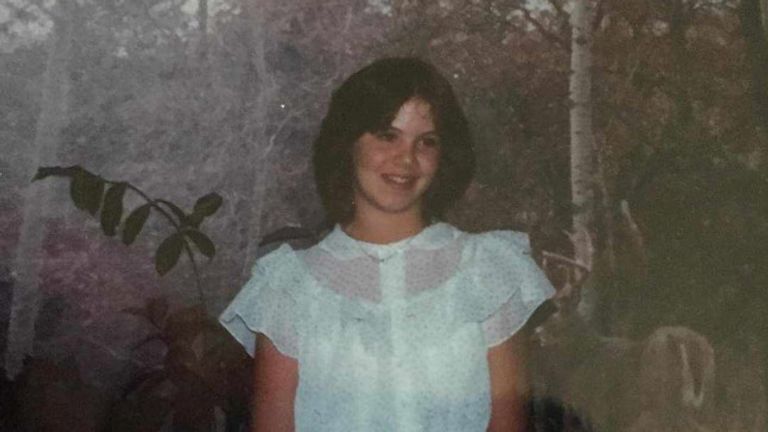
Rachell Ward, a 14-year-old from Red Bluff, California, was brutally murdered on March 3, 1983. On the morning of her death, Ward was walking to school, a short five-block journey, when she disappeared. Later that day, her body was discovered along Pine Creek Road, a few miles west of Red Bluff in Tehama County. The investigation revealed that she had been bound, sexually assaulted, and shot in the back of the head. The community was left in shock, and authorities immediately launched an intensive investigation into the murder.
Initially, the investigation received an overwhelming number of leads, including a high-profile false confession from Henry Lee Lucas, an infamous figure known for falsely admitting to numerous murders across the country. Lucas's misleading confession consumed valuable time and resources before inconsistencies in his statements led authorities to dismiss his involvement. The false lead set back the investigation significantly, and despite numerous suspects being interviewed and evidence being collected, no substantial progress was made for many years. The case went cold, frustrating law enforcement and the community alike.
A significant breakthrough finally came decades later with the advent of forensic investigative genetic genealogy (FIGG). Investigators revisited the evidence collected in 1983 and discovered a single strand of hair that had been preserved. The hair was sent to a specialized lab where DNA analysis was conducted. In 2022, modern DNA analysis techniques pointed towards Johnny Lee Coy, who had been living in Red Bluff at the time of the murder. Coy had a history of violent crimes, including the abduction and assault of a mother and her daughter in 1989. He was serving two life sentences for those crimes when he died in prison in 2019.
Further investigation linked the DNA from the preserved hair sample to Coy, thanks to contributions from his living family members who provided their own DNA for comparison. The evidence was compelling, and both the sheriff's office and the district attorney agreed that, had Coy been alive, there would have been enough evidence to charge him with the murder of Rachell Ward. The resolution of the case brought a sense of closure to Ward's family and the Red Bluff community, though it came too late to bring Coy to justice. The authorities credited the original investigators for preserving critical evidence, which ultimately helped solve this tragic case after nearly four decades.