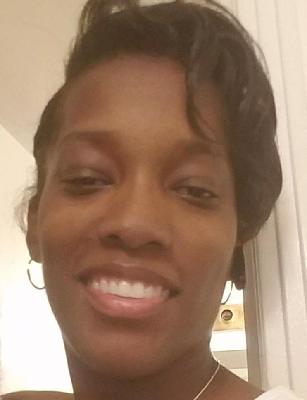
Mary Hall, a 22-year-old Black woman from Memphis, Tennessee, was shot late on the night of October 26, 2012. Just after 11:15 p.m., police were dispatched to a report of gunfire near the intersection of Lamar Avenue and Clearpool. When officers arrived, they found her wounded and rushed her to the Regional Medical Center in critical condition, but she did not survive and was pronounced dead at the hospital.
In the immediate aftermath, the location offered little clarity about who pulled the trigger or why. What remained, instead, was the blunt outline of the event itself: a shooting reported to police, a gravely injured victim discovered at the scene, and a frantic trip to the hospital that ended in a death notification rather than a recovery. The hours after the shooting became a scramble for answers—answers that would have depended on who saw what, who heard what, and who might have been willing to speak.
Public case summaries circulated afterward emphasized that investigators still needed information from the community. Those notices focused on the known facts of the timeline—where officers responded, what they found, and where she was taken—without publicly identifying a suspect or describing an arrest connected to her killing. The absence of a named offender in these accounts underscored a case still leaning heavily on tips, witness cooperation, and whatever evidence could be pulled from the scene.
A short time after her death, a published notice reported her passing and pointed grieving loved ones toward funeral arrangements handled by N.J. Ford and Sons on Parkway. In a city where violent incidents can blur together in the news cycle, that small announcement served as a stark reminder that the shooting was not an abstract “case,” but a life that ended—followed by a family left to bury her and an investigation left searching for the missing pieces that could explain who did it.