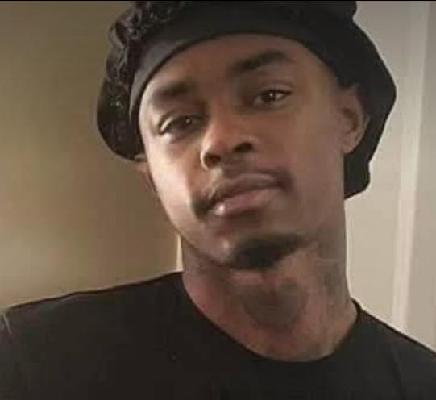
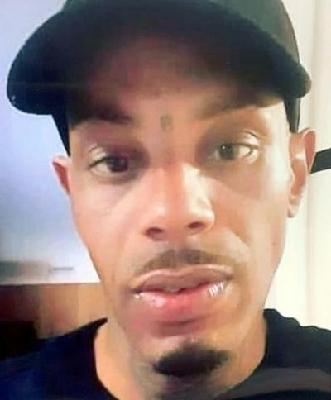
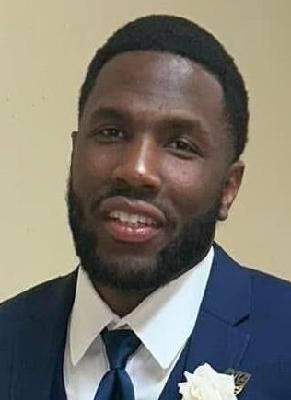
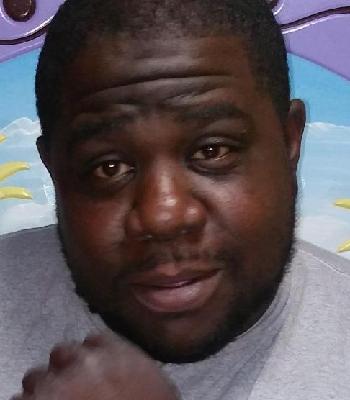
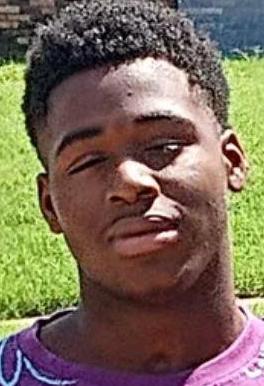
Denair Eugene Love, 27, a Black man from Memphis, Tennessee, died on May 1, 2015, and the news of his passing spread in the quiet, formal language of a death notice—his name, his age, the date—followed by the practical details that families lean on when grief turns logistical: arrangements handled by Signature Funeral Home in Memphis.
What the public notices did not say—how he died, what happened in the hours that led to it—became its own kind of absence.
In the space where circumstances might have been, friends and loved ones filled in what they could: memory, shock, and the ache of someone gone too soon. One message spoke of the everyday familiarity of seeing him around town, remembering him walking into a store and buying whatever he needed for the moment, the kind of small interaction that only feels important once it can’t happen again. Others wrote of prayer for his family, of love that didn’t disappear with him, of a farewell that felt impossible to accept.
In those condolences, Love becomes more than a line in print. He’s “friend,” “family,” “cuzzo,” someone with a place in other people’s routines and inside jokes, someone whose absence rearranged the emotional furniture of a community that knew him. The tone shifts from disbelief to devotion—promises that he won’t be forgotten, that the people he left behind will carry him forward in the only way they can, by speaking his name and keeping him present in stories.
As for what happened to him—arrests, named suspects, charges, trials, or convictions—widely accessible online sources tied directly to his death notice do not provide those details, and no clear, corroborated public reporting surfaced alongside the obituary information identifying any perpetrator or announcing a case resolution. What remains publicly visible is the official acknowledgement of his death and the echo of those who loved him, writing into the void with the only evidence they had to offer: that he mattered, and that losing him hurt.