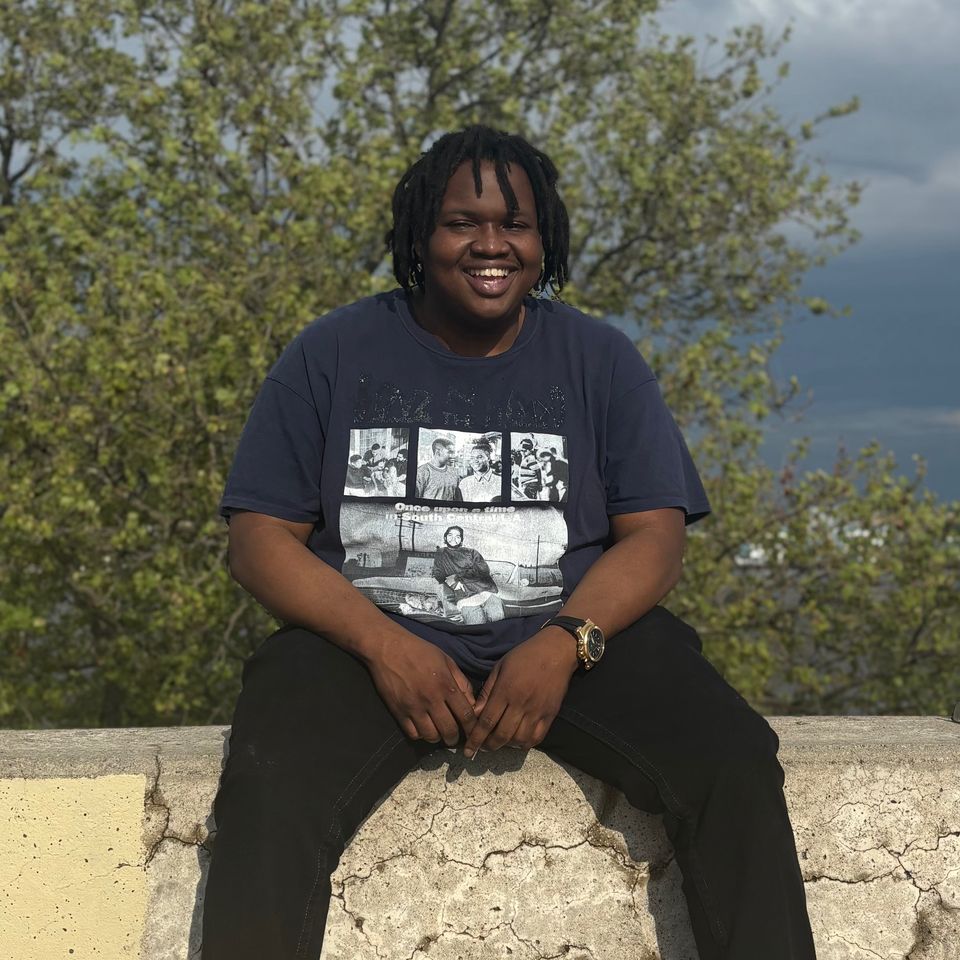
Christopher Lewis was 30 years old when his life was taken in Philadelphia, Pennsylvania, leaving behind the kind of grief that reaches far beyond the place where the violence happened. His death represents more than a case number or a brief mention in a police report. It represents a person whose story ended too soon, someone who had already lived three decades of memories, relationships, struggles, hopes, and moments that mattered to the people who knew and loved him.
In the aftermath
of a homicide, the focus often turns quickly to the scene, the investigation, and the search for whoever was responsible. But behind every one of those details is the deeper human loss. Christopher was someone’s son, someone’s family member, someone’s friend, and someone whose presence had meaning in the lives of others. At 30, he was still young, still at an age where so much of life should have remained ahead of him. There should have been more ordinary days, more conversations, more chances to grow older, more time with the people who cared about him, and more opportunities to become whatever he still hoped to be.
His death in Philadelphia left a painful silence where his voice, energy, and presence once existed. For those who knew Christopher personally, the loss was not abstract. It was the reality of a loved one being gone and the difficult knowledge that life would have to continue without him. Families who lose someone to violence often carry two forms of heartbreak at once: the sorrow of the death itself and the unanswered questions that follow. They are left to wonder why it happened, who was responsible, and whether accountability will ever come.
When someone dies suddenly and violently, grief can feel especially cruel because there is no preparation for it. There is no final conversation that fixes everything, no gentle goodbye, no time to make peace with what is coming. Instead, loved ones are forced to absorb devastating news all at once. In that moment, a life becomes divided into before and after. Before Christopher’s death, there were memories being made. Afterward, there was mourning, confusion, anger, and the long process of trying to understand how a person so deeply connected to others could be taken away.
The pain of Christopher Lewis’s death is also part of a broader heartbreak experienced by many families in Philadelphia and beyond who have lost loved ones to violence. Each case is unique, but the emotional aftermath carries a familiar weight. Families want their loved one remembered as a full person, not only by the circumstances of their death. They want the world to know that the person who died mattered. Christopher’s life should not be reduced only to the moment it ended. He had a name, an age, a past, and a place in the hearts of people who will continue to remember him.
Information provided does not include confirmed details about arrests, named suspects, charges, convictions, or sentencing in connection with Christopher Lewis’s death. Without those details, the known story remains incomplete. What is clear is that his death created a wound for those who loved him, and the absence of publicly provided answers can make that wound even harder to bear. When there are no confirmed updates about arrests or punishment, families and communities are often left waiting, hoping that investigators will find the truth and that anyone responsible will be held accountable.
For Christopher’s loved ones, justice would not bring him back, but it could offer some measure of acknowledgment that his life had value and that what happened to him mattered. Accountability can never fully repair the damage caused by homicide, but it can help a family feel that their loved one was not forgotten. It can also give a community a clearer understanding of what happened and why. Until those answers are known, Christopher’s story remains marked by both loss and uncertainty.
What should remain at the center is Christopher himself. He was 30 years old, and his life ended in Philadelphia far sooner than it should have. The people who loved him are left with memories instead of new moments, photographs instead of his presence, and questions instead of the future they expected him to have. His death is a reminder of how fragile life can be and how deeply one act of violence can affect an entire circle of people.
Christopher Lewis deserves to be remembered with care, not only for the way he died but for the life he lived before that moment. His story is one of a life interrupted, a family changed, and a community left to mourn another person taken too soon. The details surrounding his death may remain limited from the information provided, but the loss itself is clear. Christopher mattered, and the grief left behind speaks to the space he once filled in the lives of those who will continue to carry his memory.