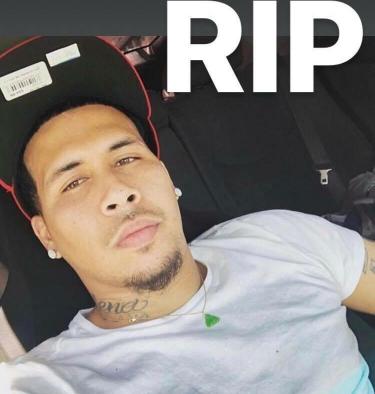
Vernon Morgan, aged 25, was shot and killed on July 1, 2012, in Oakland, California. His death occurred in the midst of a particularly violent year for the city, which experienced an increase in gun violence, largely concentrated in East and West Oakland. The area has been known for its high rates of shootings and homicides over the past several years, and Morgan's death was part of a pattern of community violence that disproportionately affected these neighborhoods.
Efforts to reduce violence in Oakland, such as the implementation of "Operation Ceasefire"—a program focused on gang intervention and gun violence reduction—faced significant challenges. Conflicting policy goals, interrupted funding, and issues related to community trust limited the effectiveness of these programs. Despite some progress in recent years, violence hotspots remained largely unchanged, which continued to undermine safety in certain areas of Oakland, particularly in neighborhoods with significant socioeconomic challenges.
The homicide clearance rate in Oakland at the time was alarmingly low. Contributing factors included police understaffing and strained community relationships, which led to a significant number of unsolved cases. These dynamics were evident in Vernon Morgan's case, as well as in many others from the same year. Despite law enforcement's efforts to curb the violence, systemic challenges persisted, affecting the ability of the police to bring justice to victims and their families.