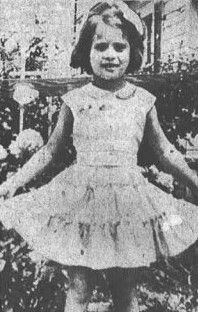
Rosemary Chyz, 19, a White female, left Macomb County for Detroit on the night of October 23, 2011, and never made it home. By the afternoon of October 24, her body was discovered on Detroit’s east side in a vacant field near Giardin and Hentz, alongside Tony Velez, the man she was with that night. Investigators described the scene as a deliberate, execution-style double killing—two lives ended far from where their families expected them to be, in a place chosen for silence rather than
witnesses.
The hours before they were found have been pieced together in fragments. Police said Velez drove a gray 2000 Chevrolet Impala into the area around Mack and Alter, drawn there by a plan to sell electronics—items he often moved through Craigslist-style meetups. Family members later said his last known contact was around 10:30 p.m., when he seemed fine on the phone, as if it were just another routine deal. Not long after, the trip turned into something darker: around 1:00 a.m., the Impala was discovered burning on Lambert Street, near the old Packard plant, a glaring sign that whatever had happened was meant to destroy evidence and delay the search.
When the bodies were finally located later that day, the details suggested the violence unfolded over time rather than in an instant. Detectives said Velez had been tied up, and both victims had been shot multiple times; loved ones and reporters described the manner of death as execution-style, with robbery woven into the attack. The sequence implied control—an encounter that became a takeover, an ambush that escalated into confinement, transport, and then a final decision to kill instead of merely steal.
Even years later, the case has been publicly described as unresolved, with killers “still at large” and families pleading for someone to speak. Investigators have said they believed more than one person was involved, and a black SUV was reportedly seen in the area where the bodies were found. Police also indicated there was a person of interest they wanted to talk to as a possible witness, but they did not publicly identify that individual. No arrests or charges were reported in these accounts; instead, the coverage focused on renewed calls for tips and repeated reward announcements tied specifically to information leading to an arrest.
Away from the crime scene, the portrait of who she was comes through in the way her family and community remembered her. She had graduated from Chippewa Valley High School and was taking classes at Macomb Community College with plans that pointed toward a future in physical therapy. In the obituary written for her, she is described as a source of laughter and joy—someone who loved art, music, camping, and riding dirt bikes up north with her family—ordinary passions that make the ending feel even more brutal, because they belonged to a life that was still just beginning.