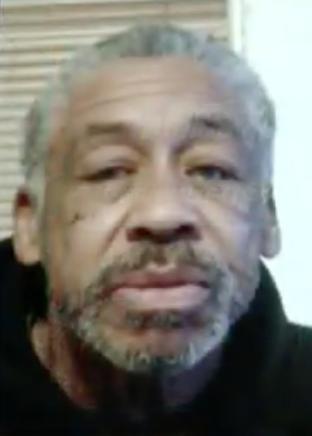
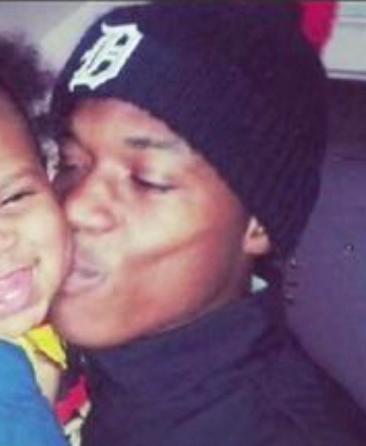
Damon Lester, 43, was a Black man from Detroit, Michigan, and the simple fact of his absence now carries a weight that words struggle to hold. In a city built on grit and pride, where people learn to keep going even when life doesn’t make it easy, the loss of one person still ripples outward—quietly at first, then all at once—through family, friends, neighbors, and every place his voice used to be.
There is a particular kind of pain that comes when someone is gone and the details are left unsaid. A name remains, a hometown remains, an age remains, but the how and why can feel like a locked door. What is clear is that Damon mattered. He wasn’t just a line in a record or a passing mention. He was someone people knew, someone who took up space in the lives around him, someone whose presence shaped ordinary moments—conversations that ran long, laughter that showed up when it was needed, small acts that don’t make headlines but stitch a community together.
Detroit is full of stories that don’t get told properly, and grief can make a story feel unfinished. For the people who loved Damon, there is the ache of remembering him in fragments: the way he might have walked into a room, the look he gave when he was thinking, the habits that made him unmistakably himself. Those memories can be comforting and cruel at the same time—comforting because they keep him close, cruel because they underline how final this loss is.
When a life ends, those left behind are forced to do two things at once: mourn what happened and protect what was beautiful about the person who’s gone. They hold onto what they can—photos, messages, shared jokes, the sound of his name spoken aloud—because holding on is a way of insisting that he was here, that he counted, that his life cannot be reduced to the moment it ended. Even without the surrounding facts, the grief itself is evidence of the impact he had. People do not hurt like this for someone who was nothing.
If there are unanswered questions about Damon’s death, they can weigh heavily, day after day, especially when hope and frustration live side by side. In cases where people search for clarity—whether that means learning the truth, finding accountability, or simply understanding what happened—the waiting can become its own kind of torment. The heart wants resolution not out of curiosity, but because love demands that a life be honored with truth.
Damon Lester’s story, as provided here, is brief in details but not in meaning. He was a man from Detroit who reached 43 years, and now he is missed. The emptiness left behind is real, and so is the quiet determination that often follows loss: the determination to speak his name, to remember him as more than a moment, and to carry forward what mattered about him—his humanity, his relationships, and the fact that his life had value long before his death ever became the focus.