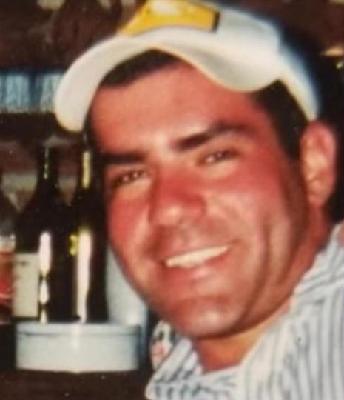
Kevin Williams, 45, was from Baltimore, Maryland, and he died under circumstances that have been left painfully incomplete in the information available here. What remains clear is the loss itself: a life ended, a name that now lands differently when it's spoken, and a city that has to carry yet another absence that should never have been asked of it.
In Baltimore, where blocks and neighborhoods aren't just places on a map but stitched-together histories of families, friendships, and hard-earned routines, a death doesn't stay contained. It ripples outward into living rooms and group chats, into the quiet of a kitchen late at night when someone can't sleep, into the heavy silence that follows the moment people realize they're waiting for a call that will never come. Even when the details are scarce, grief has a way of filling every corner.
There are no dates included here—no official timeline to hold on to, no precise account of what led to Kevin's death, no description of where it happened or who was with him in those final hours. That lack of clarity can be its own kind of cruelty. It leaves room for questions to pile up, for people to replay their last conversations, to wonder if they missed something, to search for meaning in the gaps. When a person dies and the story of how is missing, the mind keeps reaching for the missing pages.
What should have been ordinary moments in Kevin's life—messages not answered right away, plans postponed, routines interrupted—would have taken on a new and unbearable weight for those who knew him. The aftershocks of losing someone aren't just emotional; they're practical and immediate. Someone has to make calls, someone has to tell someone else, someone has to step into roles they never wanted. And in the middle of that, there's the hollow disbelief that the world keeps moving when one person's world has stopped.
Because only limited information is provided, there are no details here about suspects, arrests, or any investigation, and no indication of whether anyone has been charged or held accountable. That absence matters. It shapes the grief into something sharper—something that doesn't just mourn what was lost, but aches for answers that haven't been given. In that kind of silence, people don't just miss the person; they miss the certainty that the truth will be named, that what happened will be understood, that the loss will be acknowledged with the seriousness it deserves.
All that can be said with confidence, based strictly on what's been shared, is that Kevin Williams died, and that he was a Baltimore man whose death left a void that can't be measured in a sentence. The rest—the how, the why, the who—remains unwritten here, and that unfinishedness is often what loved ones carry the longest.