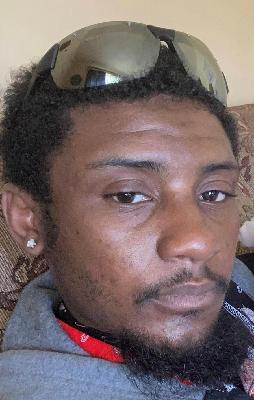
Do you know who murdered Omero Diaz-Gomez? On July 25, 2010, Omero Diaz-Gomez, a Hispanic man, was murdered at 4002 South Pope Lick Road on the far eastern edge of Louisville, Kentucky. That stretch of road, now associated with Pope Lick Park in The Parklands of Floyds Fork, sits where suburban Louisville thins into fields, woods, and winding trails along the creek. What should have been an ordinary midsummer day in a quiet recreational area instead ended in sudden violence, leaving Omero dead and a family and community without
answers.
The address where Omero was killed is today known for parkland and walking paths; guides now describe Pope Lick Park and its Big Beech Trail as a peaceful place where old-growth trees line shaded routes and locals come to hike, cycle, and spend time outdoors. In 2010, though, it became the scene of a homicide serious enough to be singled out by police: Louisville Metro Police Department later placed Omero’s photo and case into their “2010 Open Homicides” gallery, noting only that he was a Hispanic male who was murdered on that July day at the Pope Lick Road location. The stark brevity of the official description underlines how little has ever been released publicly about what happened in the moments leading up to his death.
From the limited information available, investigators classified the case as a homicide, and it has been tracked in crime-mapping and cold-case listings ever since. SpotCrime, which compiles data from law-enforcement and public records, lists Omero among Louisville’s cold cases, summarizing his death as a homicide of a Hispanic male at 4002 South Pope Lick Road on July 25, 2010, and linking the case back to Louisville Metro Police. The repeated appearance of Omero’s name in “open homicide” and “cold case” compilations, and the absence of any subsequent announcements in public records or local crime summaries, indicate that no suspect has been publicly identified, no arrests have been reported, and the case has never progressed to any known charges, trial, or conviction.
More than a decade later, Omero’s photograph still sits among other unsolved 2010 killings on the police gallery, a reminder that his death remains officially open and unresolved. Around him, the area has continued to develop—Pope Lick Park has been formally opened and promoted as part of a large urban park system, and the address now appears in guides and maps as a place to walk, play sports, and enjoy the outdoors. Yet behind that ordinary façade, Omero Diaz-Gomez’s killing persists as an unanswered act of violence, an unsolved Louisville homicide that still depends on someone, somewhere, coming forward with the information investigators have never publicly found.