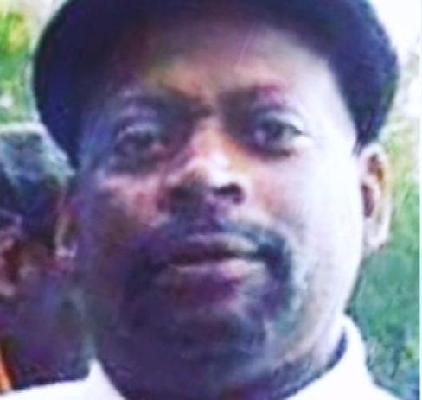
Marciano Patterson, an 18-year-old male from Chicago, was tragically killed on June 19, 2009. His death occurred during a period of heightened violence in Chicago, particularly affecting the South Side neighborhoods, where gang-related activities and interpersonal disputes were prevalent. Patterson was shot multiple times in a neighborhood known for its ongoing turf conflicts.
The incident took place amidst a climate of increased street violence, which was marked by frequent confrontations between rival groups, leading to numerous fatalities throughout that year.
The homicide was part of a wider trend that saw Chicago struggling to contain a growing wave of gun violence in 2009. During this time, many of the victims were young individuals from disadvantaged neighborhoods, and their deaths underscored the complex socio-economic challenges faced by their communities. The lack of opportunities, combined with the pervasive presence of gangs, contributed to a cycle of violence that affected many residents like Patterson. Community members expressed growing concerns about their safety, while local authorities faced significant challenges in addressing the underlying causes of such violence.
Efforts by law enforcement during this period were characterized by attempts to increase patrols and boost police presence in high-crime areas. However, many of these strategies struggled to produce sustained results, partly due to limited resources and mistrust between residents and the police. Patterson’s death, like many others during this period, served as a tragic reminder of the struggles faced by Chicago in its efforts to address gun violence and ensure the safety of its youth. His killing highlighted the urgent need for comprehensive community-based interventions aimed at curbing violence and providing young people with alternatives to street life.