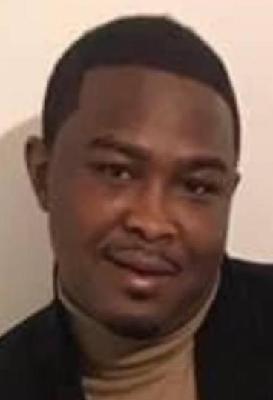
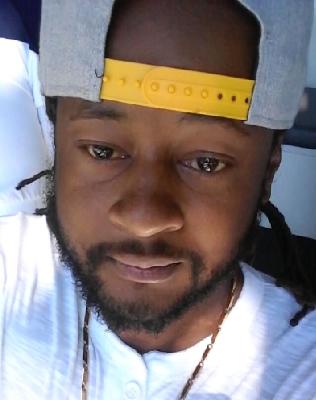
Dionte T. Young, a 24-year-old Black / African American man from Chicago, was walking home on the evening of August 5, 2010, when violence found him on a quiet stretch of South Hermitage Avenue. He had almost reached the safety of his block in the 8800 block of South Hermitage, just a few houses away from where he lived, when an unseen figure came up behind him.
On the sidewalk in front of 8829 South Hermitage, in Chicago's Auburn Gresham neighborhood, the gunman closed the distance and opened fire, a single shot striking Dionte in the back of the neck and traveling into his head.
Neighbors and passersby would have seen an ordinary summer evening suddenly split open by the sound of gunfire, the quiet residential block transformed into a crime scene in seconds. Police and paramedics rushed to the address and found Dionte gravely wounded on the sidewalk. He was taken from the South Side to Advocate Christ Medical Center, where doctors fought to save him, but his injuries were too severe. At 9:01 p.m. that night, he was pronounced dead, his walk home ending not at his front door but in a hospital miles away.
His killing became one of many tragedies during a particularly deadly Chicago summer, a season in 2010 marked by a long list of young lives cut short by gunfire. In citywide counts of homicides from that period, Dionte's name appears alongside dozens of others, each entry reduced to a date, a location, and a cause of death, even though every one of those names belonged to someone with a story, a family, and a future that would now never unfold. His death on that sidewalk in Auburn Gresham was another reminder that even the most ordinary places—a front walk, a residential street, a route taken countless times—could suddenly become the focus of flashing lights and numbered evidence markers.
Months later, after the police investigation failed to produce a suspect, the search for answers turned outward to the broader community. Family, friends, and anti-crime advocates joined with Cook County Crime Stoppers, handing out flyers and appealing to anyone who might know what happened that August night. A reward of up to $1,000 was offered for information leading to the person responsible, an incentive meant to pierce the wall of silence that so often surrounds street shootings.
Despite these efforts, the narrative of Dionte's case has remained starkly unfinished in public records. The gunman who approached from behind has never been publicly identified, and there are no reports of arrests, charges, or even a clear suspect description tied to the shooting. Officially, the case is listed as unsolved, leaving the story suspended at the moment of violence: a young man nearly home, an anonymous assailant on a neighborhood sidewalk, and a family still waiting for someone, somewhere, to step forward with the truth.