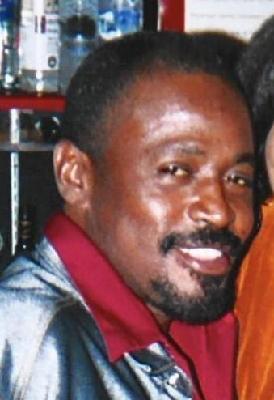
Randall M. Cummins, aged 26, was fatally shot on June 3, 2011, in Chicago, Illinois. His homicide was part of a troubling pattern of violence during that year. According to the Chicago Police Department's 2011 Murder Report, Chicago experienced 435 homicides in total that year, indicating a continued struggle with urban violence that had affected the city for years. Cummins’ death occurred in a year where gun violence and gang-related activities were particularly prevalent, with many incidents involving young men of similar age and demographic backgrounds.
The Chicago Police Department's data for 2011 showed that most homicide incidents involved firearms, often occurring in public places such as streets and alleys. Cummins' case reflects a broader issue affecting many Chicago communities, where access to firearms and neighborhood disputes often escalated to fatal violence. Community areas on the South and West sides of Chicago were among those most affected by these homicides, and law enforcement often struggled with clearance rates for these cases, meaning many homicides remained unsolved or led to no arrests. The specifics of Cummins’ case mirrored the challenges faced by law enforcement in curbing violence in these neighborhoods.
During this period, Chicago experienced a high rate of unsolved murders, driven in part by community distrust of police, witness reluctance, and limited investigative resources. The data portal from the City of Chicago highlighted how patterns of violence were not only a law enforcement issue but also rooted in socioeconomic conditions, including poverty and lack of opportunities for young people in impacted neighborhoods. Cummins' death was one of many that underscored the urgent need for intervention, community programs, and systemic change to prevent such tragic outcomes in Chicago’s neighborhoods.