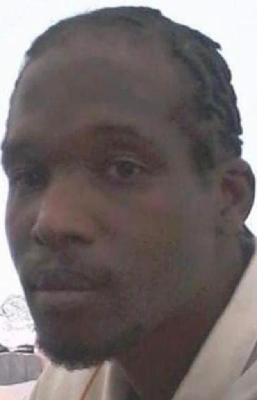
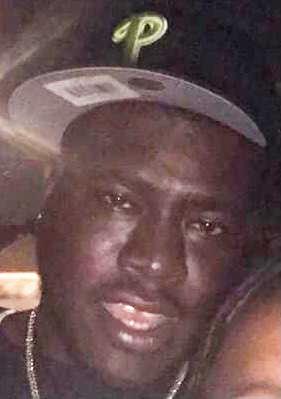
On February 1, 2013, Manuel Hernandez, a 21-year-old resident of Chicago, was shot and killed. His death occurred in a year when Chicago was struggling with rising homicide rates, particularly affecting neighborhoods already grappling with social and economic challenges. The homicide took place amid broader efforts by the city to curb the escalating violence through increased policing and community-based initiatives, though these efforts often faced numerous obstacles.
The killing of Hernandez was part of an alarming trend during the early 2010s, with Chicago witnessing a significant uptick in violent crimes. The Chicago Police Department's data from that period shows that incidents like Hernandez’s death were not uncommon, and many victims were young individuals living in communities affected by gang conflicts and poverty. Such homicides not only added to the city’s grim statistics but also highlighted the broader systemic issues that contributed to the cycle of violence.
Efforts by both law enforcement and community organizations were underway during this period, aiming to reduce gun violence and restore a sense of safety in the most affected neighborhoods. However, the challenges were deeply rooted, involving issues such as inadequate access to education, economic hardships, and lack of employment opportunities. Hernandez’s death, like many others, underscored the urgent need for a holistic approach to reduce crime and improve the quality of life for residents in vulnerable areas.