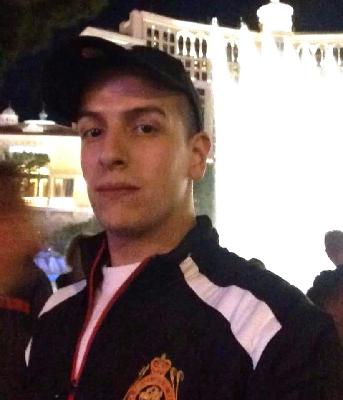
Larry D. Randle, age 28, was fatally shot in Chicago on April 13, 2013. His death took place during a year when Chicago experienced a high rate of homicides, with a total of 455 recorded across the city. The violence was particularly concentrated in specific neighborhoods, with Englewood, Austin, and Garfield Park being among the hardest-hit areas. These communities accounted for a significant proportion of the homicides in 2013, highlighting the persistent issues of crime and violence faced by residents.
In 2013, gun violence was overwhelmingly the leading cause of homicide in Chicago, representing 83% of the total homicides that year. The city's struggle with gun-related crime was emblematic of broader challenges involving illegal firearms and gang-related disputes, which affected many neighborhoods across Chicago. Despite efforts to curb violence, the homicide rate remained alarmingly high, with many incidents involving young men like Larry Randle. The data from 2013 reveals that the violence was not isolated but part of a larger trend that had deeply impacted several areas, leaving communities grappling with safety concerns and loss.
The fatal shooting of Larry Randle was one of many similar cases that illustrated the urgent need for intervention in Chicago's most affected neighborhoods. That year, Englewood recorded the highest number of homicides, followed by other neighborhoods such as South Shore and Austin. The distribution of these violent incidents highlighted disparities within the city, with certain areas bearing a disproportionate burden of Chicago's ongoing struggle with violence.