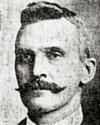
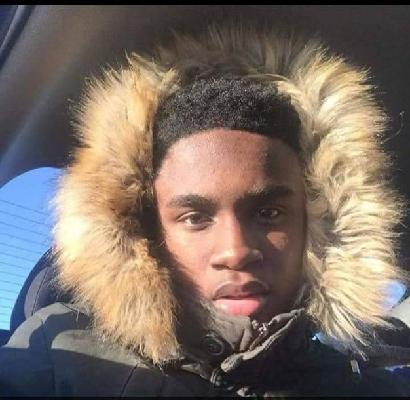
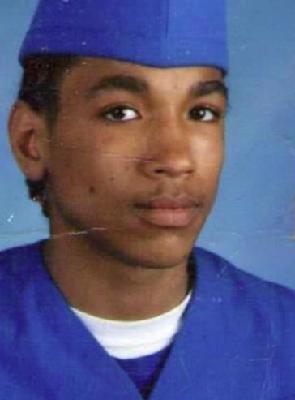
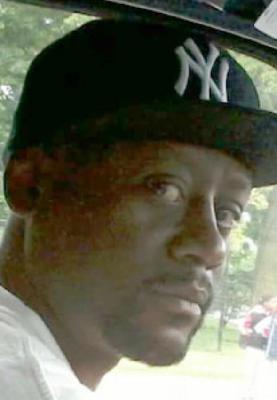
Ronnell Andrews, aged 20, was fatally shot on January 11, 2016, in Chicago, Illinois. His death was one of many that marked 2016 as an especially violent year for the city, which recorded a sharp spike in homicides compared to previous years. Andrews was killed in the Washington Park neighborhood, an area of Chicago that has faced ongoing struggles with violent crime, often tied to socioeconomic disparities and gang activity.
The investigation into Andrews' death formed part of the larger and increasingly challenging work that local law enforcement faced during this period. 2016 saw an alarming increase in the number of homicides, with Chicago experiencing over 760 murders that year, making it one of the deadliest periods in decades. This rise in violence was particularly noticeable in areas like Washington Park, where crime rates were consistently higher due to a range of systemic issues that include limited economic opportunities and social instability.
Community efforts and law enforcement initiatives during this time aimed to curb the increasing gun violence but were largely hindered by deeply rooted challenges. Ronnell Andrews' tragic death underscores the severe impact of gun violence on individuals and families in Chicago's most vulnerable neighborhoods. His passing also highlights the continued need for comprehensive approaches that go beyond policing alone—approaches that include community engagement, access to resources, and preventive measures aimed at addressing the root causes of violence.