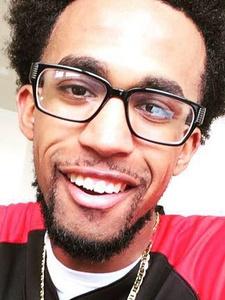
Davion Spivey, age 19, was fatally shot on April 13, 2016, in Chicago. The homicide occurred in the Roseland neighborhood on the city's Far South Side. Spivey was found with multiple gunshot wounds, and despite emergency medical intervention, he did not survive. The shooting took place during a year when Chicago was experiencing a surge in violence, with a particularly high number of gun-related homicides across the city.
This surge added to the grim tally that made 2016 one of the deadliest years in Chicago in nearly two decades.
The Roseland neighborhood, where Spivey was killed, had been a hotspot for gun violence, with high rates of gang activity and crime deeply affecting the community. The death of Davion Spivey was reflective of the broader struggles faced by residents in these areas, where systemic issues such as poverty and lack of access to resources continue to exacerbate the violence. His murder was one of the many cases that drew attention to the need for both immediate law enforcement action and long-term community support measures aimed at reducing crime and providing a safer environment for residents.
The tragedy of Spivey’s death highlighted the difficult circumstances faced by many young individuals living in neighborhoods with high crime rates. Law enforcement and community leaders had to grapple with the challenge of addressing both the immediate threats posed by street violence and the underlying causes contributing to such frequent tragedies.