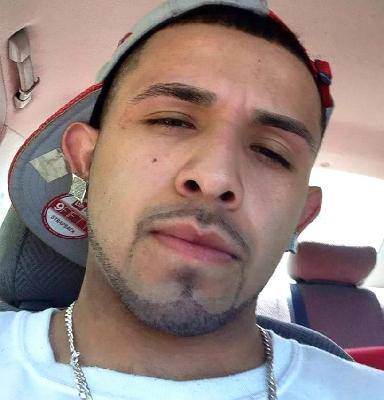
Luis M. Romero, aged 22, was fatally shot on October 18, 2016, in Chicago, Illinois. His death occurred in the midst of a particularly violent year for Chicago, which experienced a major surge in homicides. In 2016, the number of homicides in Chicago increased dramatically, reaching 769 for the year—a sharp rise from previous years. This uptick in violence was largely attributed to an escalation in gun-related homicides, with over 90% of the killings involving firearms.
The availability and proliferation of illegal firearms on the streets were significant contributors to this violence.
The homicide of Romero reflects a broader trend of violence that disproportionately affected Chicago's neighborhoods, especially areas with limited resources and high levels of gang activity. The environment of increased violence, largely driven by gang conflicts and other disputes, created a dangerous setting for many residents. The neighborhoods most affected by the surge in homicides in 2016 included those on the South and West Sides of Chicago, where socioeconomic challenges and a lack of community support systems contributed to instability and increased risk.
In 2016, the Chicago Police Department faced multiple challenges in curbing the growing homicide rate. The clearance rate for homicides was particularly low, standing at only 21%. A shortage of detectives, combined with the "no-snitch" culture, made it challenging to solve cases like that of Luis Romero and bring perpetrators to justice. This inability to provide swift justice further exacerbated the community's mistrust of law enforcement and made it more difficult for residents to cooperate with investigations, perpetuating a cycle of unsolved violence.