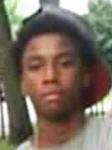
On November 15, 2017, Miguel "Silky" Ford, a 21-year-old resident of Chicago, Illinois, was fatally shot in the Englewood neighborhood of Chicago. Ford was among the numerous victims of gun violence in the city, which struggled with a high rate of homicides in that year. He was known as someone who "always put others before himself," a sentiment echoed by friends and family who remembered his caring nature and the impact he had on those around him.
The shooting took place in a part of the city that has long faced issues related to gang violence, economic deprivation, and insufficient public resources, contributing to a cycle of violence that tragically claimed Miguel's life.
The incident added to Chicago's troubling homicide statistics for 2017, during which the city had already recorded over 600 homicides, underscoring the severity of the violence that plagued Chicago communities that year. Reports indicate that Ford was shot in a location that has seen multiple such violent incidents, highlighting the ongoing struggle for safety and security in many of Chicago's neighborhoods. Despite his young age, Miguel Ford had left a lasting impression on those who knew him, and his death was a significant loss to his community. The gun violence epidemic has not only claimed countless lives like Ford's but also left lasting scars on families and neighborhoods throughout Chicago.
The broader context of this tragedy is the alarming rate of homicides in Chicago, particularly in areas like Englewood, where a combination of socio-economic challenges and the proliferation of guns has led to numerous similar incidents. For Miguel Ford and many others, the violence cut short young lives full of potential, leaving behind grieving families and communities struggling to make sense of the losses and find paths toward healing and prevention.