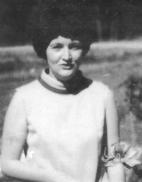
Melody Marie Gay, a 19-year-old White woman, was living in Collier County, Florida, in the spring of 1984, trying to build the adult life she wanted after graduating with honors from Everglades City High School. She had recently taken a job at a 7-Eleven off Collier Boulevard on the road toward Marco Island and had moved in with her sister to be closer to work. People who remembered her described a young woman with plans, independence, and a desire to work with handicapped children one day.
But even as she settled into that new routine, there was one part of the job she did not like: working the overnight shift alone in a store that sat in a dark, isolated stretch of county.
In the early morning hours of March 7, 1984, Melody vanished while on duty. Investigators determined she disappeared from the store at about 4:30 a.m. Her purse was still inside when deputies arrived. The cash register had not been disturbed, and there were no obvious signs of a struggle, details that made the scene feel even more haunting. It was as if she had simply been pulled out of her ordinary life in a matter of moments, leaving behind the small evidence of a shift interrupted and a future suddenly torn open.
Three days later, on March 10, her body was found floating face down in a canal off White Boulevard in Golden Gate. Authorities said she had been raped and strangled. The brutality of what happened to her turned the case into one of Collier County’s most haunting unsolved homicides, not only because of the violence itself, but because of the sense that someone had approached her in the lonely hours before dawn, taken her from a brightly lit convenience store, and vanished again into the dark without leaving enough behind to bring a charge that would hold.
The investigation stretched across years. Detectives interviewed family members, friends, former boyfriends, acquaintances, and people known to have visited the store while Melody was working. Over time, investigators identified a primary suspect, but they were never able to find what one former detective described as the final piece needed to tie that person to the killing. In the mid-1990s, investigators believed advances in DNA testing might finally break the case open, and for a time there was real hope that an arrest was close. That hope faded when the DNA they recovered did not match the people they had been looking at. Even then, law enforcement did not dismiss the possibility that some of those individuals were involved. One sheriff’s official later said it was probably possible that more than one person took part, suggesting the case may have been more complicated than a single predator acting alone.
There was also outside speculation that Melody might have been a victim of Christopher Wilder, the serial killer who terrorized women in Florida in 1984. At one point, authorities publicly said Wilder might have been involved, and his name became attached to the case in some public retellings. But investigators later said he had been ruled out long ago. That left the case in the same agonizing place it had started: no arrest, no charges, no trial, no conviction, and no public naming of the primary suspect investigators once believed they were close to tying to the crime.
What remains is the image of a young woman at the threshold of her life, alone on a midnight shift, disappearing between one ordinary moment and the next. Melody’s murder remained an active cold case years later, with officials saying they still had persons of interest and continued to receive leads. But the central truth never changed: the people who killed Melody Marie Gay were never brought into court, and her case endured as a story of promise interrupted, evidence that came close but not close enough, and a family left waiting for the ending that never came.