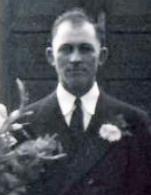
On March 1, 1983, in the remote Alaskan town of McCarthy, 61-year-old Harley Bain King was among six residents tragically murdered by Louis D. Hastings, an unemployed computer programmer. Hastings, armed with a. 223-caliber Ruger Mini-14 semi-automatic rifle, embarked on a shooting spree that claimed the lives of King, Maxine Edwards, Les and Flo Hegland, and Tim and Amy Nash. Two other individuals were wounded during the attack.
Harley King, a U.S.
Army veteran of World War II, was a well-known figure in the area, residing with his wife, Jo, in a cabin near Long Lake in the Wrangell Mountains. He was a hunter, big-game hunting guide, pilot, and commercial fisherman. On the morning of the massacre, King had driven his snowmobile with a friend to McCarthy, where he and others awaited the arrival of the weekly mail plane.
The motive behind Hastings' rampage was a plan to disrupt the Trans-Alaska Pipeline System. He intended to eliminate the town's residents, hijack the mail plane, and use it to access the pipeline, where he planned to cause significant damage. His ultimate goal was to halt Alaska's economic growth and preserve its wilderness. Hastings' plan was thwarted when survivors managed to alert authorities, leading to his arrest as he attempted to flee on a snowmobile.
In July 1984, Hastings was sentenced to 634 years in prison for his crimes. The McCarthy massacre remains one of Alaska's most tragic events, highlighting the vulnerability of isolated communities and the profound impact of such violence on their residents.