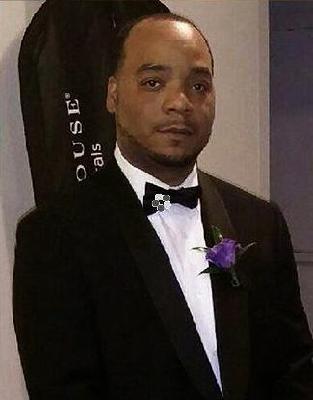
Cirenio Valencia, age 61, was tragically killed on December 30, 2015, in Houston, Texas. His death was part of a troubling rise in homicides across Houston that year, which saw an uptick in violent crime and fatalities. The increase in homicides in 2015 was attributed to a variety of factors, including gang activity, economic disparities, and the availability of firearms. Police and criminologists highlighted the complexities of identifying a single cause, noting that demographic changes and social factors often intersected in cases like this one.
Houston experienced a significant rise in murders during that year, with experts pointing to both a growing population and shifting dynamics in law enforcement as potential reasons. Authorities worked closely with federal agencies, such as the Bureau of Alcohol, Tobacco, Firearms, and Explosives (ATF), to address the escalating violence and illegal gun acquisition issues that were plaguing the city. Throughout the year, local law enforcement agencies also focused heavily on cracking down on gang violence and organized criminal activities, which affected many neighborhoods, including where Valencia's death occurred.
The case of Cirenio Valencia was among the many homicides that reflected Houston's struggle with rising violence in 2015. Local authorities faced challenges in not only addressing these crimes but also in preventing retaliation and gang-related incidents that contributed to the overall increase in homicides. Despite various efforts to collaborate with national agencies and implement stricter policing strategies, the complexity of factors like socio-economic conditions and gun availability remained persistent challenges for law enforcement.