This case description is based on an unsolved homicide and contains details that may be disturbing to some readers.
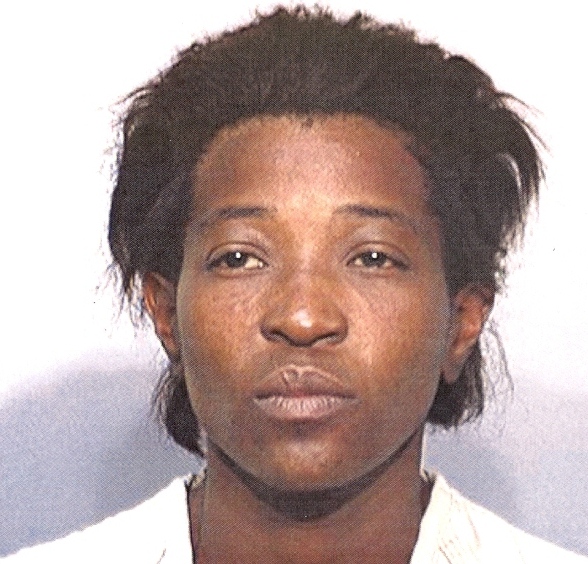
Debbie Marie Roseman was a 28-year-old Black woman whose life was tragically cut short in the autumn of 1993. Born on August 18, 1965, she was just beginning to forge her own path in the world. While the public record holds few details about her personal life, her family, or her aspirations, her absence represents a profound and unresolved loss for those who knew and loved her. Her death left a void in her community and a case file that remains open, waiting for the one piece of information that might finally bring answers and a measure of peace to her loved ones.
The last time anyone is known to have seen Debbie was on the east side of Columbus, Ohio. What happened in the hours that followed remains a mystery. On Thanksgiving Day, November 25, 1993, a police officer on routine patrol made a grim discovery in a rural part of Franklin County.
Debbie Roseman was found deceased, lying in the middle of Morehead Road, just south of Rowe Road in Lockbourne, a village situated south of Columbus. The quiet, semi-rural landscape of Lockbourne, with its mix of farmland and residential streets, became the final resting place for a woman from the city, leaving investigators to question how and why she ended up there.
An autopsy later revealed the cause of Debbie's death was blunt force trauma to her head. The nature of her injuries indicated a violent end, but the circumstances surrounding the attack were unclear. The Franklin County Sheriff's Office took charge of the homicide investigation, faced with the difficult task of piecing together Debbie's final movements. Detectives had to work backward from the moment she was found, trying to establish a timeline and identify anyone who might have seen or spoken with her after she was last seen on the east side of Columbus. The location where her body was discovered suggested that she had likely been killed elsewhere and left on the remote road.
For more than three decades, the investigation into Debbie Roseman’s murder has continued. Over the years, detectives have pursued leads and reviewed the evidence, but no arrests have been made, and no suspects have been publicly named. The case has become a cold case, a term for an unsolved criminal investigation that remains open pending the discovery of new evidence. For the Franklin County Sheriff's Office and the Ohio Attorney General's Office, Debbie’s case is not forgotten. It is featured on Ohio's Unsolved Homicides database, a public-facing effort to generate new leads from people who may have information, no matter how insignificant it might seem.
The questions surrounding the case are numerous and haunting. Who did Debbie encounter after leaving the east side of Columbus? Why was she targeted? And who is responsible for her brutal death on that Thanksgiving Day? These questions have echoed in the minds of investigators and her family for years. Without witnesses to the crime itself or a clear motive, the path to justice has been fraught with challenges. The passage of time can sometimes unearth new evidence, whether through advances in forensic technology or through a person's change of conscience, and hope remains that a breakthrough is still possible.
The case of Debbie Roseman is a stark reminder of the enduring pain that unsolved homicides inflict on families and communities. As of today, her killer or killers have never been held accountable. The Franklin County Sheriff's Office continues to seek information from the public that could help solve this decades-old crime. Anyone with knowledge regarding the homicide of Debbie Marie Roseman is urged to come forward and contact the Ohio Bureau of Criminal Investigation (BCI) at 855-224-6446 or submit a tip through the Ohio Attorney General's website. A small, forgotten detail could be the key to unlocking the truth and finally delivering justice for Debbie.